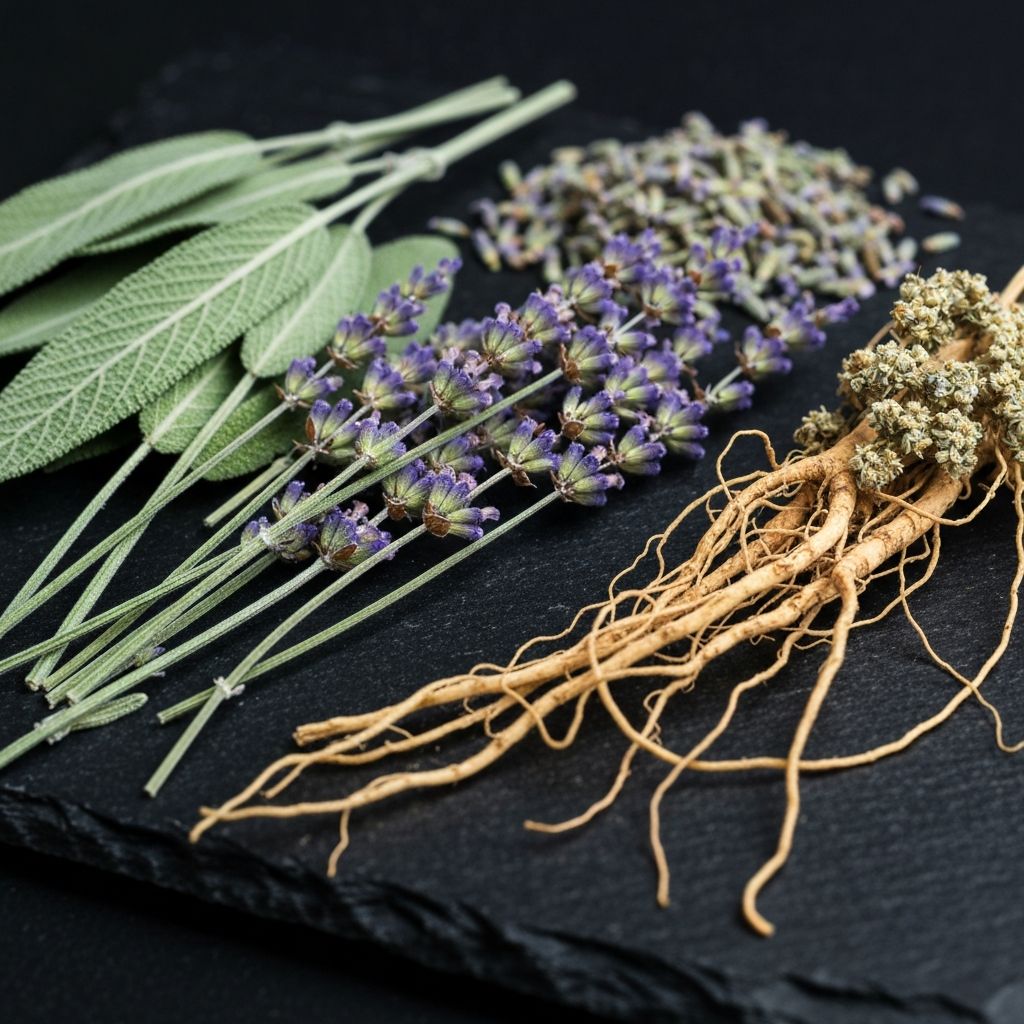
Plant-Origin Micronutrients & Bioactive Compounds
Understanding natural dietary elements and their role in balanced nutrition for men over 40
Educational content only. No promises of outcomes.
Fundamentals of Plant Nutrients
Throughout human history, plant-based foods have served as fundamental sources of essential micronutrients and bioactive compounds. This knowledge exists across cultural traditions—from European herbalism to Asian botanical medicine—and modern nutritional science continues to examine these relationships.
Understanding how plants contribute to daily nutrition involves examining the role of minerals (zinc, magnesium, selenium), vitamins (particularly vitamin D synthesis and B-complex availability), and various phytochemicals including polyphenols and flavonoids.
The focus of this educational resource is to provide scientifically-grounded information about these natural compounds and their presence in common food sources, particularly relevant to men's nutritional needs in later adulthood.
Key Mineral Providers from Plants
Certain plants and seeds are recognized in nutritional literature as significant sources of essential minerals. Below are informational profiles of three key micronutrient providers:
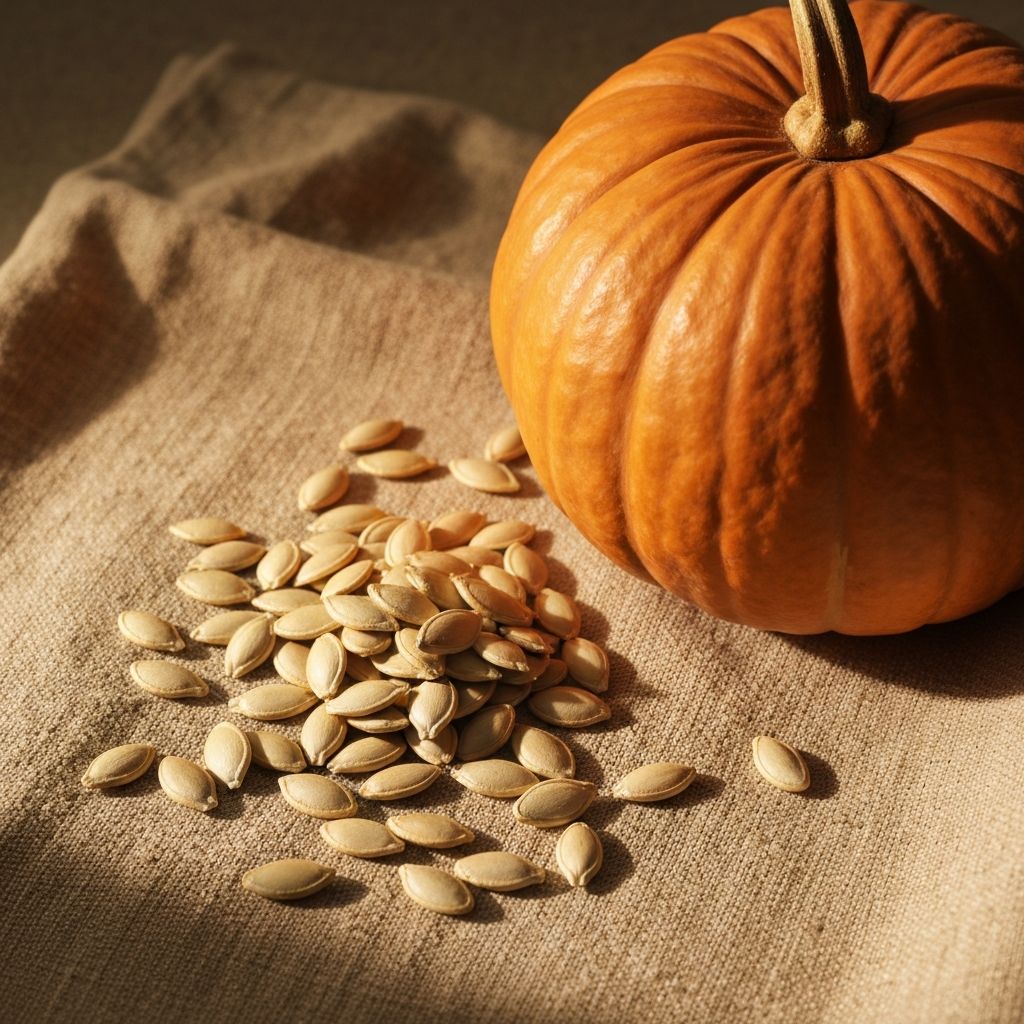
Zinc Sources
Plant sources: Pumpkin seeds, sesame seeds, hemp seeds, cashews, chickpeas
Zinc is an essential trace mineral involved in immune function, protein synthesis, and enzyme activity. Plant-based sources provide bioavailable zinc, though absorption varies depending on food preparation and presence of other dietary components.
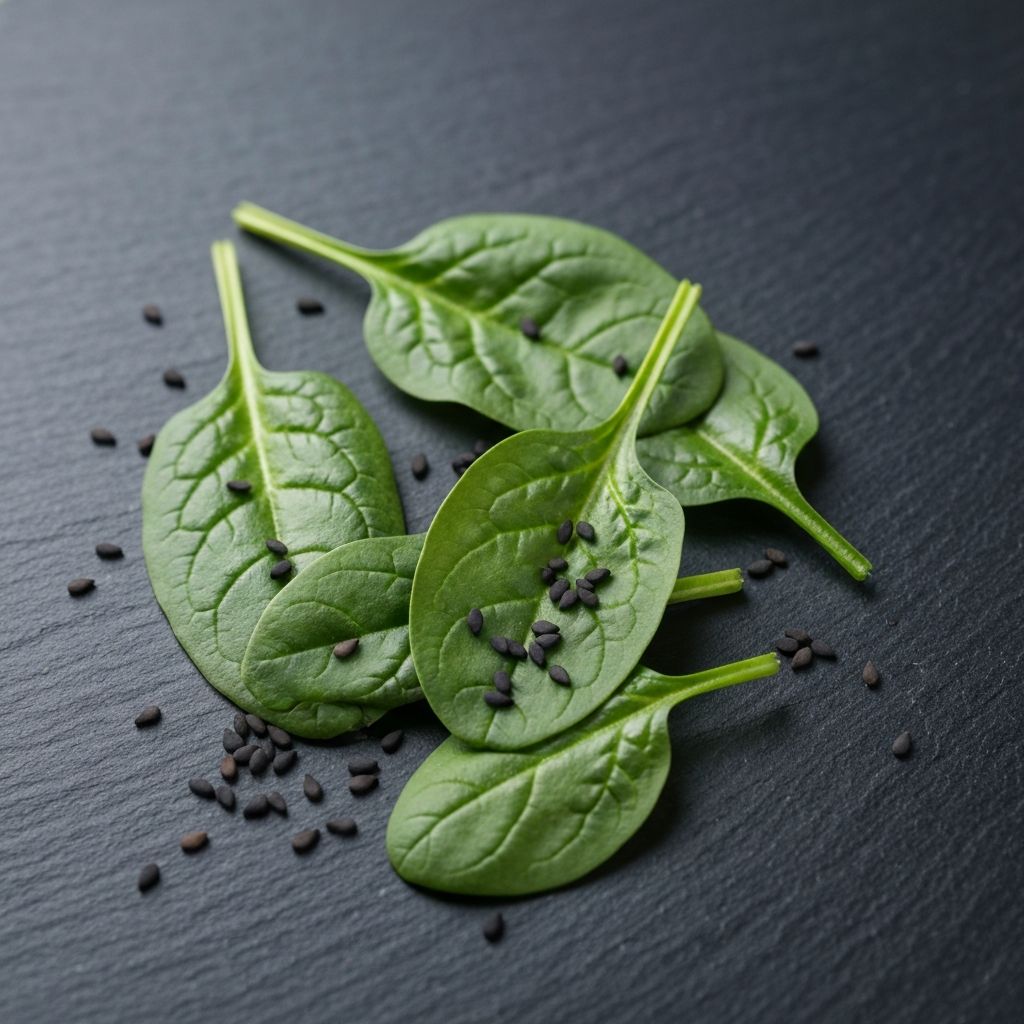
Magnesium Sources
Plant sources: Pumpkin seeds, sunflower seeds, spinach, chard, almonds, black beans
Magnesium plays crucial roles in muscle function, energy production, and nervous system regulation. Leafy greens and seeds are concentrated sources, making them valuable components of a balanced diet.
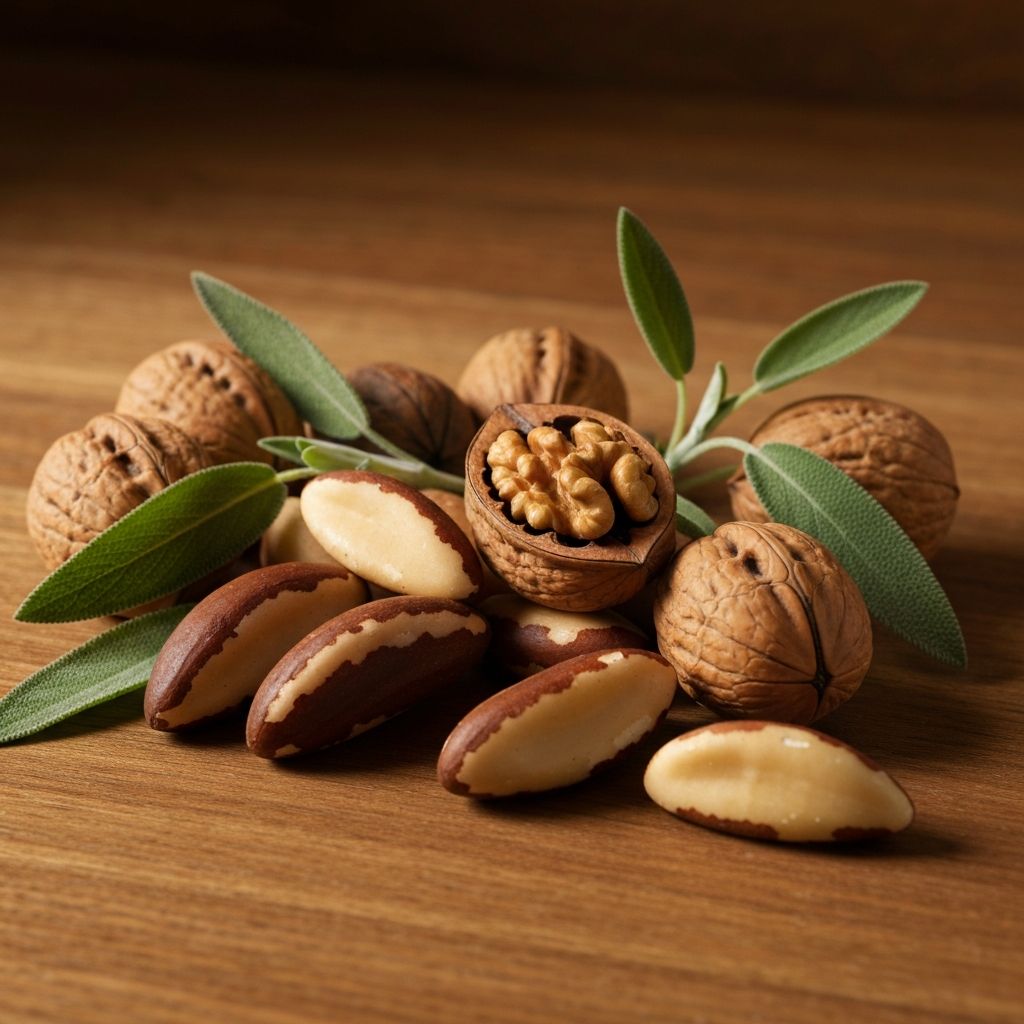
Selenium Sources
Plant sources: Brazil nuts, walnuts, sunflower seeds, mushrooms, whole grains
Selenium is essential for thyroid function and acts as a component of antioxidant enzymes. Plant-based foods, especially those grown in selenium-rich soil, provide meaningful amounts of this important mineral.
Herbal Bioactive Summary
Numerous plants contain bioactive compounds studied for their potential properties in human nutrition. The following table presents an overview based on historical use and current scientific literature:
| Plant/Root | Primary Bioactive Compounds | Historical & Current Context |
|---|---|---|
| Ginseng (Panax) | Ginsenosides, polysaccharides | Used for centuries in Asian medicine; studied for potential adaptogenic properties |
| Rhodiola | Rosavins, salidroside | Traditional European adaptogenic herb; researched for stress-related applications |
| Maca Root | Macamides, glucosinolates | Andean food crop; studied in nutritional and wellness contexts |
| Nettle Leaf | Minerals (iron, magnesium), polyphenols | Common European herb; valued for mineral content in traditional nutrition |
| Oat Straw | Avenacosides, minerals, amino acids | Traditional grain; recognized for nutritional completeness |
| Hawthorn Berry | Flavonoids, proanthocyanidins | European botanical tradition; studied for cardiovascular support contexts |
| Rosehip | Vitamin C, polyphenols, carotenoids | Traditional European plant; rich in antioxidant compounds |
| Turmeric (Curcuma) | Curcuminoids, essential oils | Ancient medicinal plant; widely researched for bioactive properties |
Note: This table provides educational information based on historical and scientific literature. Individual responses to plant compounds vary, and this information is not personalized medical advice.
Polyphenol-Rich Botanical Sources
Polyphenols are a diverse group of naturally occurring organic compounds found abundantly in plant-based foods. They function as antioxidants in plant tissues and may contribute similar properties when consumed through diet.
High-Polyphenol Plant Sources
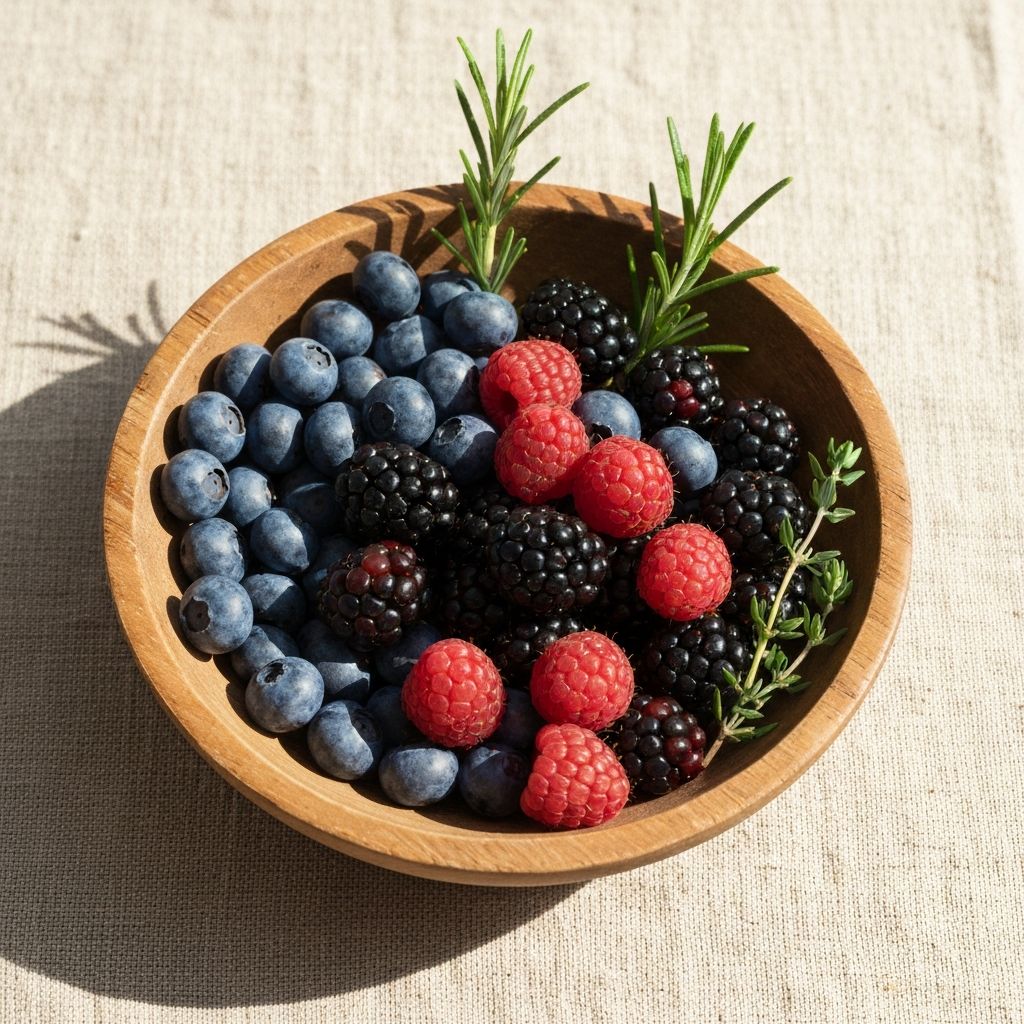
- Berries: Blueberries, blackberries, raspberries, and cranberries contain particularly high levels of anthocyanins and other polyphenolic compounds
- Dark Leafy Greens: Kale, spinach, and arugula provide chlorogenic acid and other phenolic compounds
- Herbs: Oregano, thyme, rosemary, and sage are concentrated sources of polyphenolic compounds
- Roots & Tubers: Turmeric, ginger, and beets contain significant polyphenol content
- Beverages: Green and black tea, coffee, and red wine are well-documented sources in nutritional research
Central Europe Plant Seasons
The seasonal availability of plants has shaped European dietary traditions. Understanding seasonal plant abundance provides context for traditional nutritional practices in Germany and surrounding regions:
Spring & Early Summer (March-June)
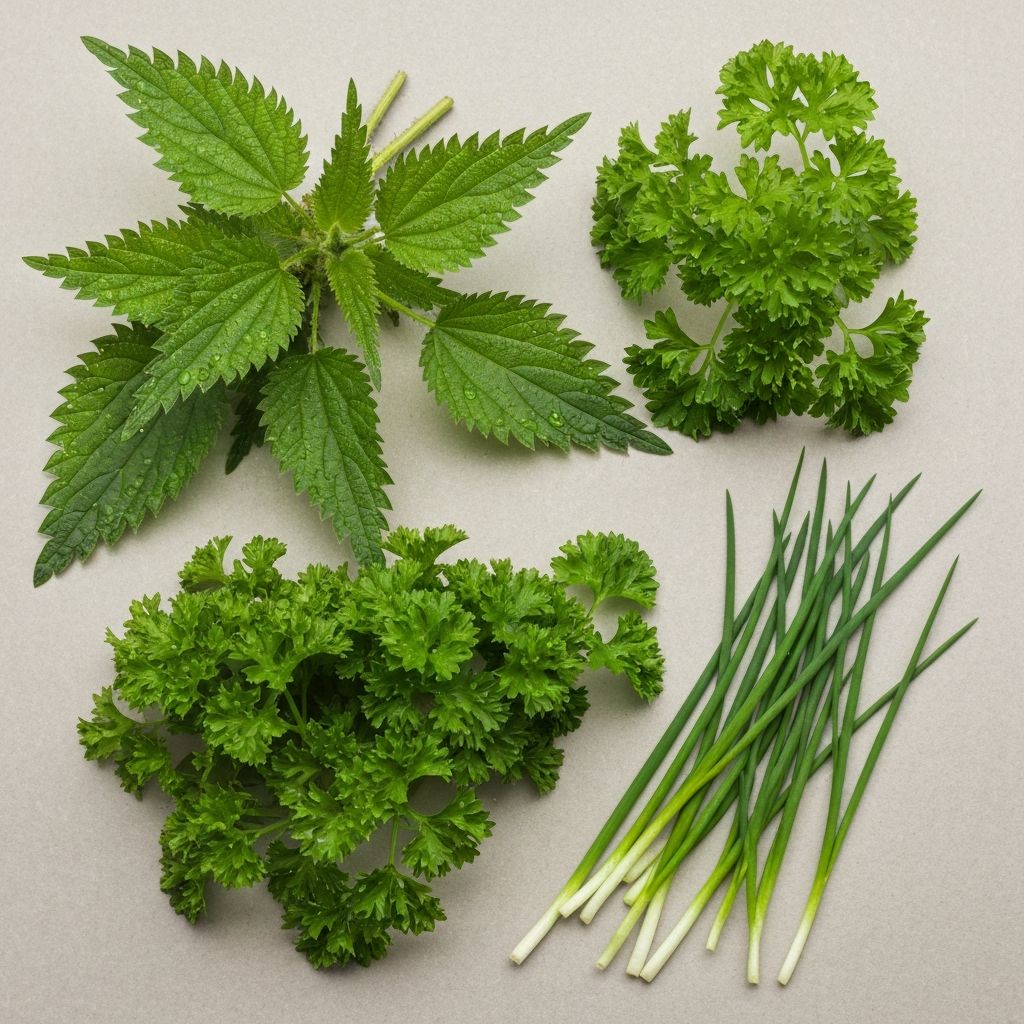
- Nettles - mineral-rich wild green
- Parsley & Chives - fresh culinary herbs
- Sorrel & Dandelion Greens - traditional European foods
- Fresh asparagus - seasonal vegetable
- Strawberries & early berries
Late Summer & Autumn (July-October)
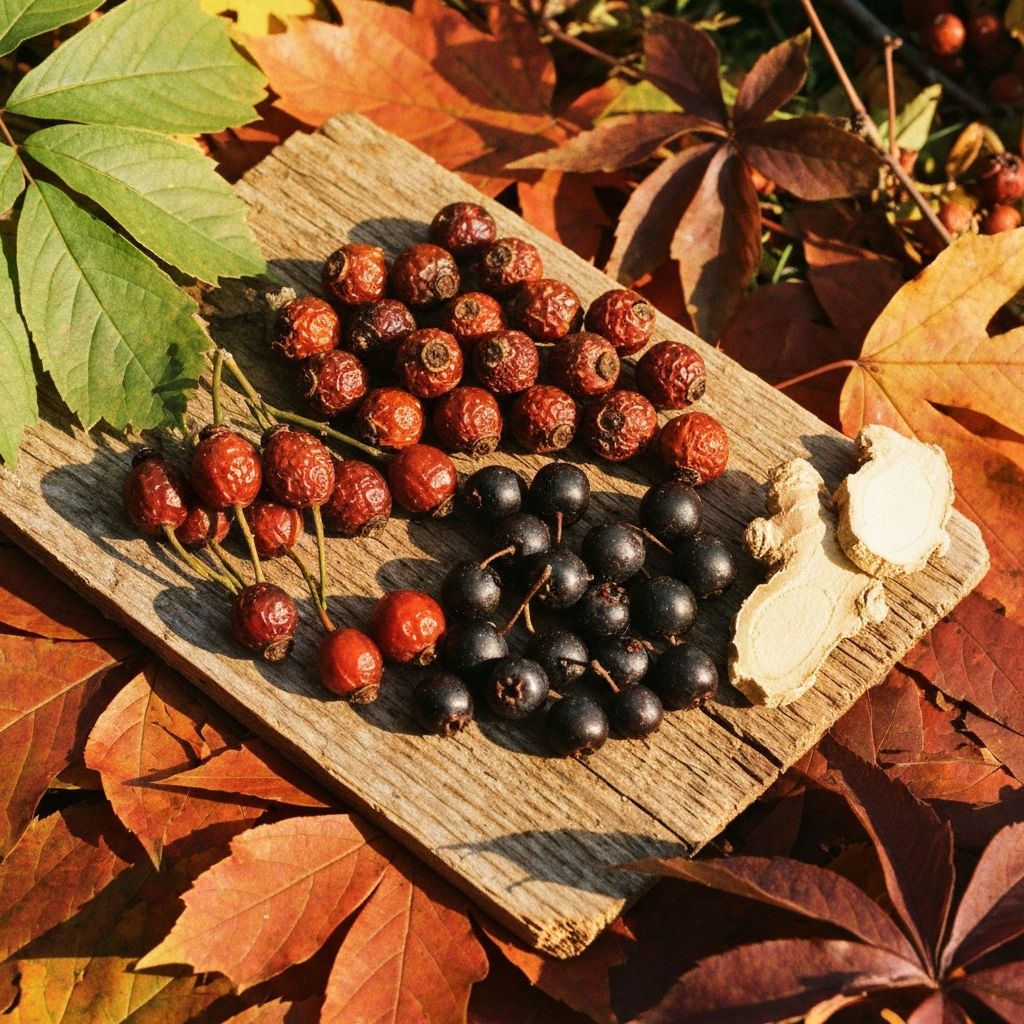
- Rose Hips - autumn fruit rich in vitamin C
- Hawthorn Berries - traditional botanical harvest
- Ginger & Root Vegetables - below-ground harvest
- Mushrooms - wild and cultivated varieties
- Seeds & Grains - harvest time abundance
Seasonal eating patterns aligned European populations with locally available botanical nutrition long before modern food distribution systems.
Nutrient Bioavailability Factors
The ability of the human body to absorb and utilize nutrients from plant sources depends on multiple factors:
Factors Affecting Plant Nutrient Bioavailability:
- Food Preparation Method: Cooking, fermentation, soaking, and sprouting can increase nutrient accessibility by breaking down cell walls and reducing antinutrient compounds
- Food Combinations: Consuming certain foods together enhances absorption. For example, vitamin C-rich foods improve iron absorption; fats enhance fat-soluble vitamin uptake
- Digestive Health: The quality of digestive processes influences nutrient extraction and absorption across the intestinal wall
- Nutritional Status: Pre-existing nutrient levels in the body affect absorption rates and efficiency
- Individual Variation: Genetics, age, medications, and metabolic conditions create individual differences in nutrient processing
- Antinutrient Content: Compounds like phytates and oxalates in some plants may reduce mineral bioavailability, though cooking methods can mitigate this effect
This complexity explains why wholefood plant-based nutrition involves variety and preparation practices rather than isolated supplementation.
German Herbal Cultural Notes
Central Europe, particularly Germany, has a documented tradition of plant-based nutrition and herbalism:
Historical Context
German-speaking regions developed sophisticated knowledge of local herbs and their roles in nutrition and wellness. Medieval monastic gardens cultivated both common and medicinal plants. Traditional practices emphasized seasonal eating and the use of fermented foods, which are now recognized in modern nutrition science for their bioavailability benefits.
The German term "Naturheilkunde" (naturopathy) reflects a long-standing emphasis on natural approaches to health maintenance through proper nutrition and botanical knowledge.
Contemporary German culture continues to value organic and locally-sourced plant foods, reflecting historical nutritional wisdom combined with modern quality standards.
Addressing Plant Nutrition Myths
Various misconceptions circulate about plant-based nutrition. Below are clarifications based on current nutritional science:
Common Assumptions vs. Evidence
- Myth: "Plant proteins are incomplete." Reality: Most plant sources contain all essential amino acids; variety in whole food plant consumption ensures adequate amino acid profiles
- Myth: "Plant minerals have poor absorption." Reality: Plant mineral bioavailability varies by food type and preparation; many plant sources are efficiently absorbed
- Myth: "Specific plants can replace medical treatment." Reality: Plants contribute to general nutrition; medical conditions require professional medical evaluation
- Myth: "All herbal sources have equal efficacy." Reality: Efficacy depends on compound concentration, form, individual factors, and scientific evidence level
- Myth: "Natural means completely safe for everyone." Reality: Individual sensitivities, allergies, and drug interactions exist; nutritional choices should be informed
Overview of Botanical Studies
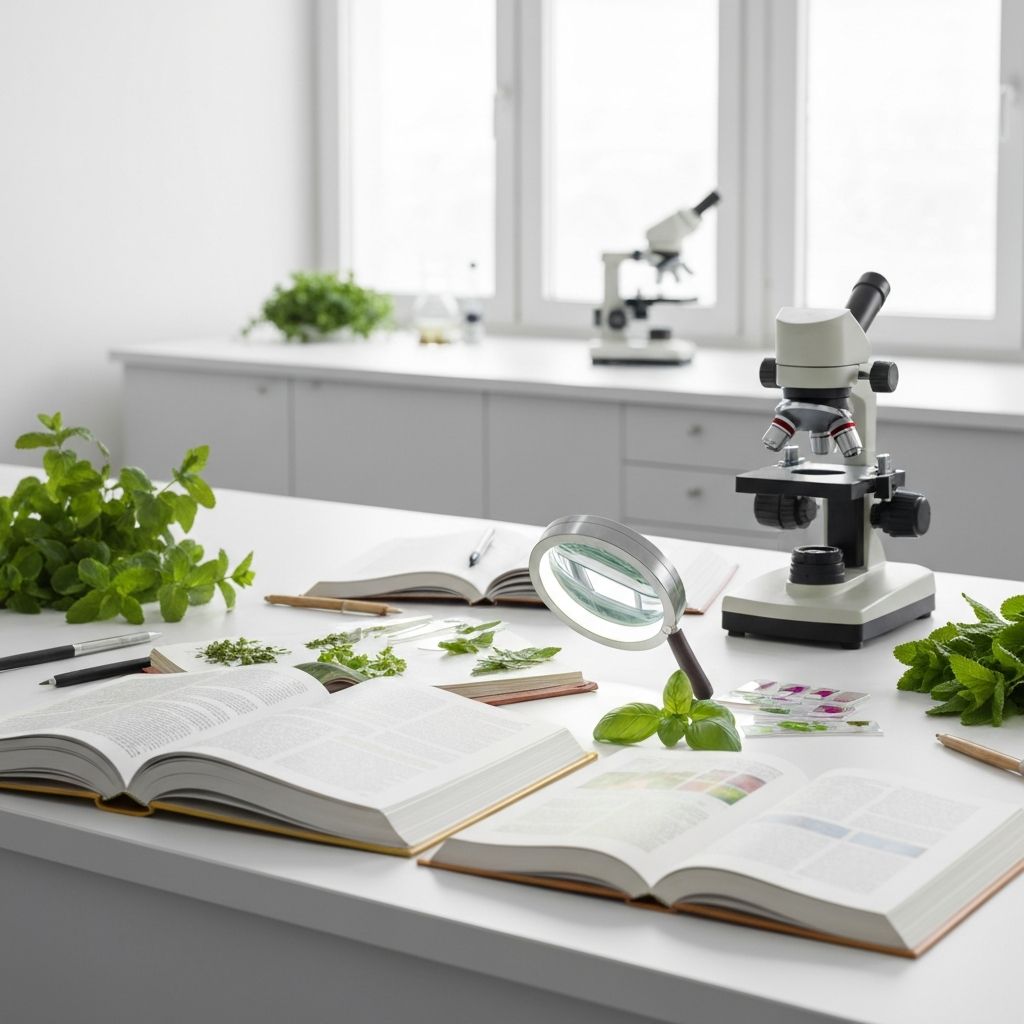
Modern scientific examination of plant compounds employs various research methodologies:
Research Approaches in Plant Nutrition Science
- In Vitro Studies: Laboratory examination of plant compounds' effects on isolated cells or enzyme systems. Provides initial data but doesn't directly translate to human outcomes
- Animal Studies: Testing in animal models helps understand mechanism of action before human trials, though results don't always transfer to humans
- Observational Research: Tracking dietary patterns and health outcomes in populations to identify associations and generate hypotheses
- Clinical Trials: Controlled human studies examining specific outcomes; varying quality and rigor depending on design and funding
- Systematic Reviews & Meta-Analysis: Comprehensive examination of multiple studies to identify trends and establish evidence levels
- Epidemiological Studies: Large-scale population studies examining long-term dietary patterns and health correlations
Understanding the type of evidence behind any claim helps assess credibility and relevance to personal situations.
Value of Plant Intake Variety
A foundational principle of nutritional science is the importance of dietary diversity:
Why Variety Matters
- Different plants, different compounds: Each plant offers unique micronutrient and phytochemical profiles
- Synergistic effects: Compounds work together; isolated nutrients often lack the complexity of whole foods
- Risk reduction: Eating a range of plants reduces risk of excessive exposure to any single antinutrient or compound
- Microbiome support: Diverse plant intake supports beneficial gut bacteria diversity
- Nutritional completeness: No single plant provides all necessary nutrients; variety ensures comprehensive micronutrient intake
- Cultural & practical sustainability: Varied eating is more engaging and sustainable long-term
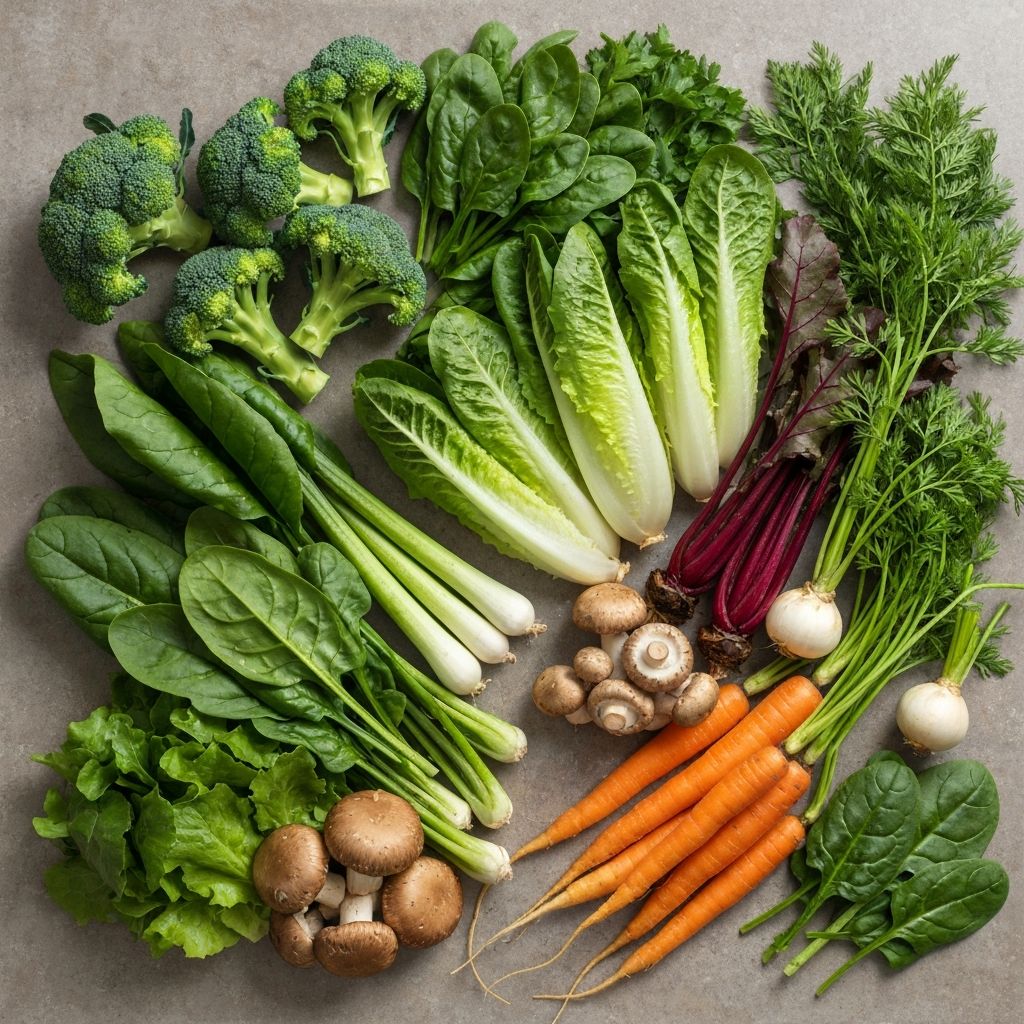
Midlife Nutritional Biology
Men's nutritional needs and metabolic processes change with age. Understanding these shifts provides context for dietary choices in later adulthood:
Age-Related Nutritional Considerations
- Mineral Absorption: Nutrient absorption efficiency may decrease with age; adequate stomach acid and digestive enzyme production become more important
- Protein Requirements: Research suggests protein needs may increase in later years to maintain muscle mass
- Antioxidant Needs: Oxidative stress may increase; plant polyphenol intake becomes increasingly relevant
- Bone Health: Mineral intake (calcium, magnesium) and vitamin D status grow more significant
- Cardiovascular Nutrition: Plant-based compounds supporting cardiovascular function gain importance
- Metabolic Shifts: Metabolic rate changes; dietary quality becomes more critical than quantity
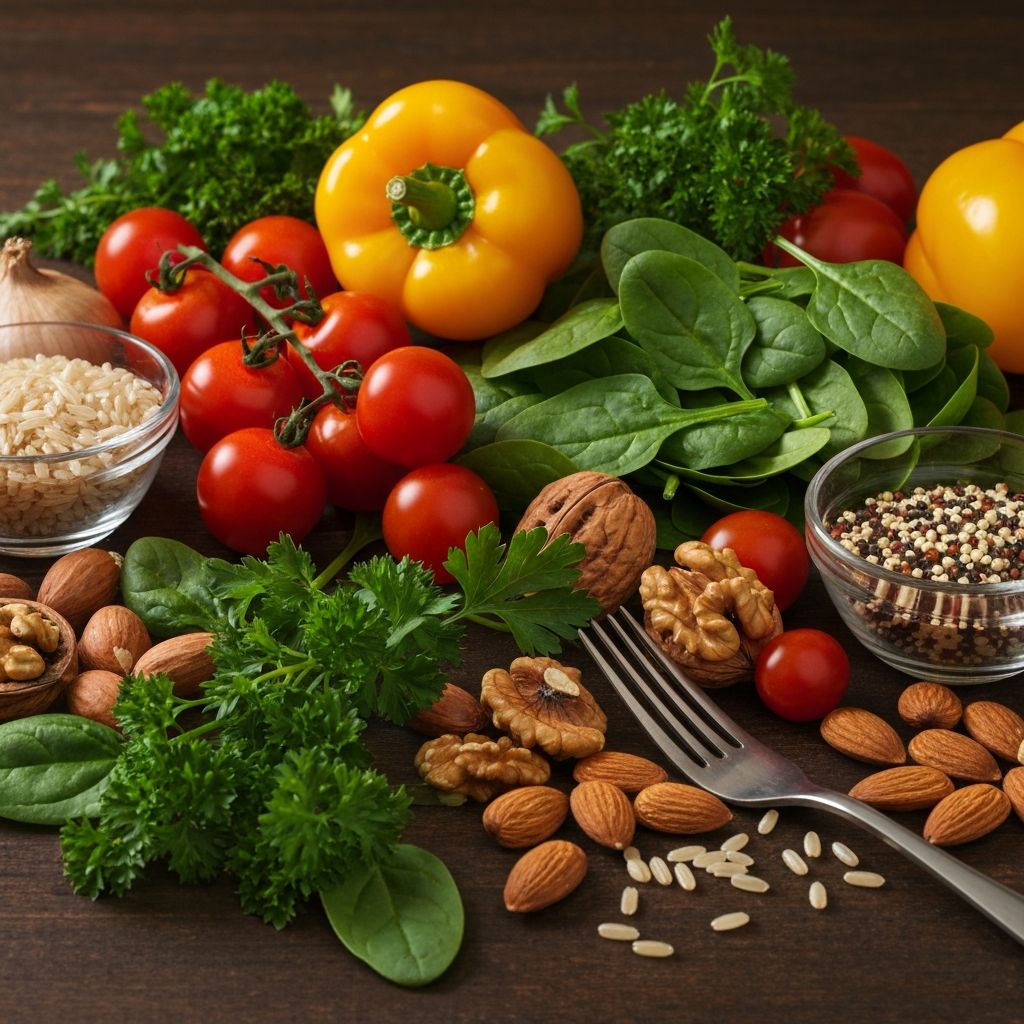
General nutritional guidelines from organizations like the WHO recommend that men over 40 emphasize whole plant foods, adequate protein, and diverse micronutrient sources.
Neutral Sources & Reading
The information presented on this site draws from established scientific and historical sources. The following resources offer credible information for further independent study:
Recommended Reference Categories
- Scientific Databases: PubMed, Google Scholar - access to peer-reviewed research on plant nutrition and bioactive compounds
- Nutrition Organizations: World Health Organization (WHO), National Institute of Health (NIH) - evidence-based nutritional guidelines
- Academic Institutions: University nutrition programs often publish open-access research on plant-based nutrition
- Government Resources: National dietary guidelines from various countries provide evidence-based recommendations
- Botanical Research Centers: Specialized institutions conduct rigorous research on medicinal plants and their compounds
- Historical & Cultural Documentation: Academic works on traditional plant use in European herbalism and nutrition
When evaluating sources, consider the credentials of authors, whether research is peer-reviewed, and whether conclusions are supported by evidence rather than marketing claims.
Continue Exploring Botanical Nutrition Knowledge
This educational resource presents foundational information about plant-origin micronutrients and their role in balanced adult nutrition. For deeper exploration of specific topics, consider:
Educational content only. No promises of outcomes.
Information Limitations & Context
The content on this educational resource presents general information about plants, nutrients, and nutrition science. This information:
- Is provided for educational and informational purposes only
- Does not constitute personal medical advice or recommendations
- Should not replace consultation with qualified healthcare professionals
- Reflects general scientific understanding; individual responses vary significantly
- Does not diagnose, treat, or cure any health condition
Each person's nutritional needs are individual. Before making significant dietary changes, consult with a healthcare provider, especially if you have existing health conditions or take medications.