Nutritional Science for Men Over 40
Understanding botanical nutrition in the context of midlife and maturity
Introduction: Nutrition Across the Lifespan
Nutritional needs evolve throughout a person's life. The biological realities of the 40s, 50s, and beyond present specific contexts for considering dietary composition and plant-based nutrition. This section explores the science of age-appropriate botanical nutrition for men in later adulthood.
Biological Changes in Later Adulthood
As men age past 40, several physiological changes occur that have nutritional implications:
- Nutrient Absorption: Stomach acid production may decrease, affecting the breakdown and absorption of certain minerals and vitamins
- Metabolic Rate: Metabolism slows, affecting caloric and nutrient requirements
- Body Composition: Muscle mass naturally decreases (sarcopenia) unless maintained through adequate protein and activity
- Bone Density: Bone remodeling accelerates, making adequate calcium and mineral intake more critical
- Hormone Levels: Changes in testosterone and growth hormone affect muscle maintenance and metabolism
- Inflammation: Chronic low-level inflammation tends to increase; antioxidant-rich diets become more relevant
- Cardiovascular Function: Cardiovascular health becomes increasingly dependent on dietary patterns
Key Nutritional Priorities for Men Over 40
Adequate Protein Intake
Research suggests that protein requirements may increase with age to prevent muscle loss. Plant-based protein sources include legumes (beans, lentils), whole grains, nuts, seeds, and plant-based products. Distributing protein across meals—rather than concentrating it in one meal—may optimize muscle protein synthesis in aging populations.
Plant-based protein sources: Lentils, chickpeas, black beans, pumpkin seeds, hemp seeds, almonds, quinoa, tofu, tempeh.

Mineral Adequacy
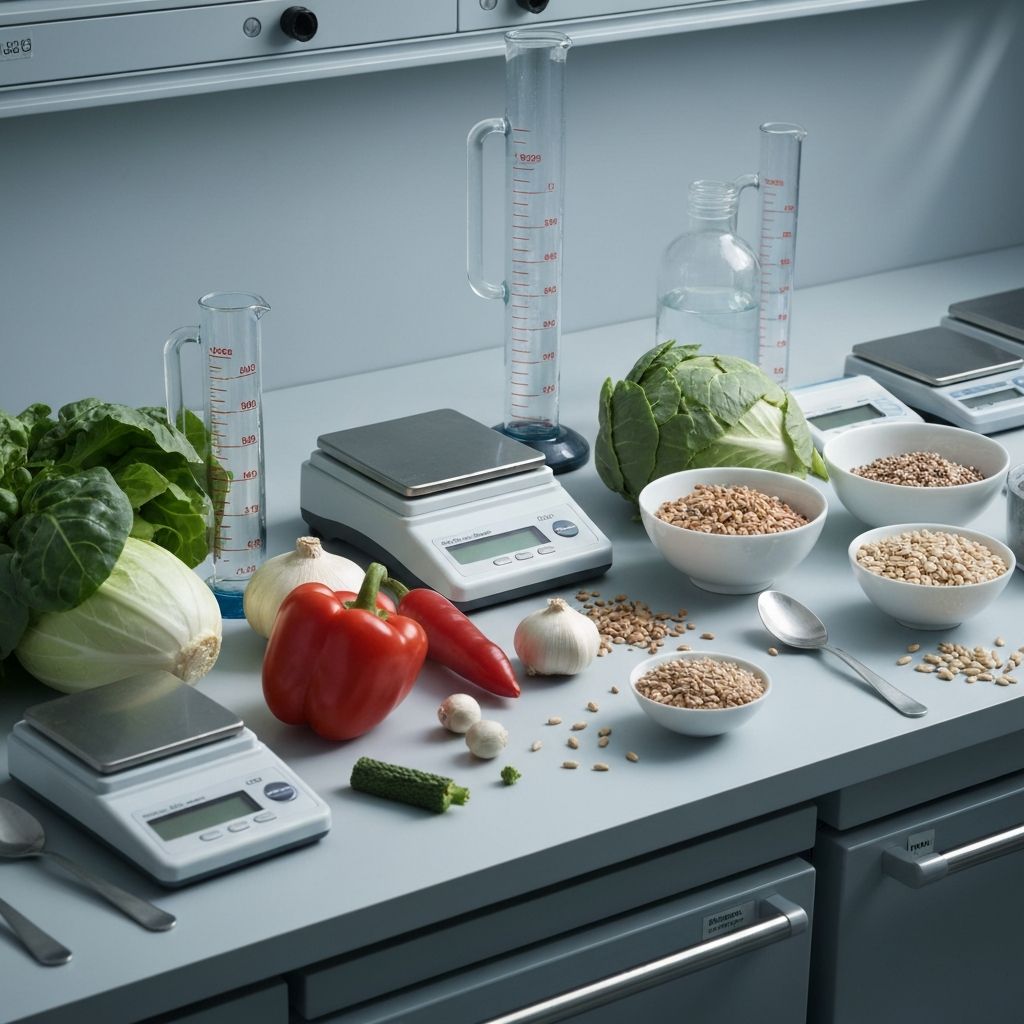
Zinc, magnesium, and selenium become increasingly important for enzyme function, immune support, and antioxidant defenses. Reduced stomach acid in some older adults can decrease mineral absorption, making varied plant sources valuable.
Key plant mineral sources: Pumpkin seeds (zinc, magnesium), leafy greens (magnesium, iron), Brazil nuts (selenium), whole grains (multiple minerals).
Polyphenol & Antioxidant Intake
Age-related increases in oxidative stress make polyphenol-rich foods increasingly relevant. Berries, dark leafy greens, herbs, and colorful vegetables provide diverse antioxidant compounds. The diversity of compounds in whole plant foods offers synergistic benefits not captured in isolated nutrient supplementation.
Polyphenol-rich plant foods: Blueberries, blackberries, kale, spinach, oregano, turmeric, green tea, red wine.
Cardiovascular Support Through Plant Foods
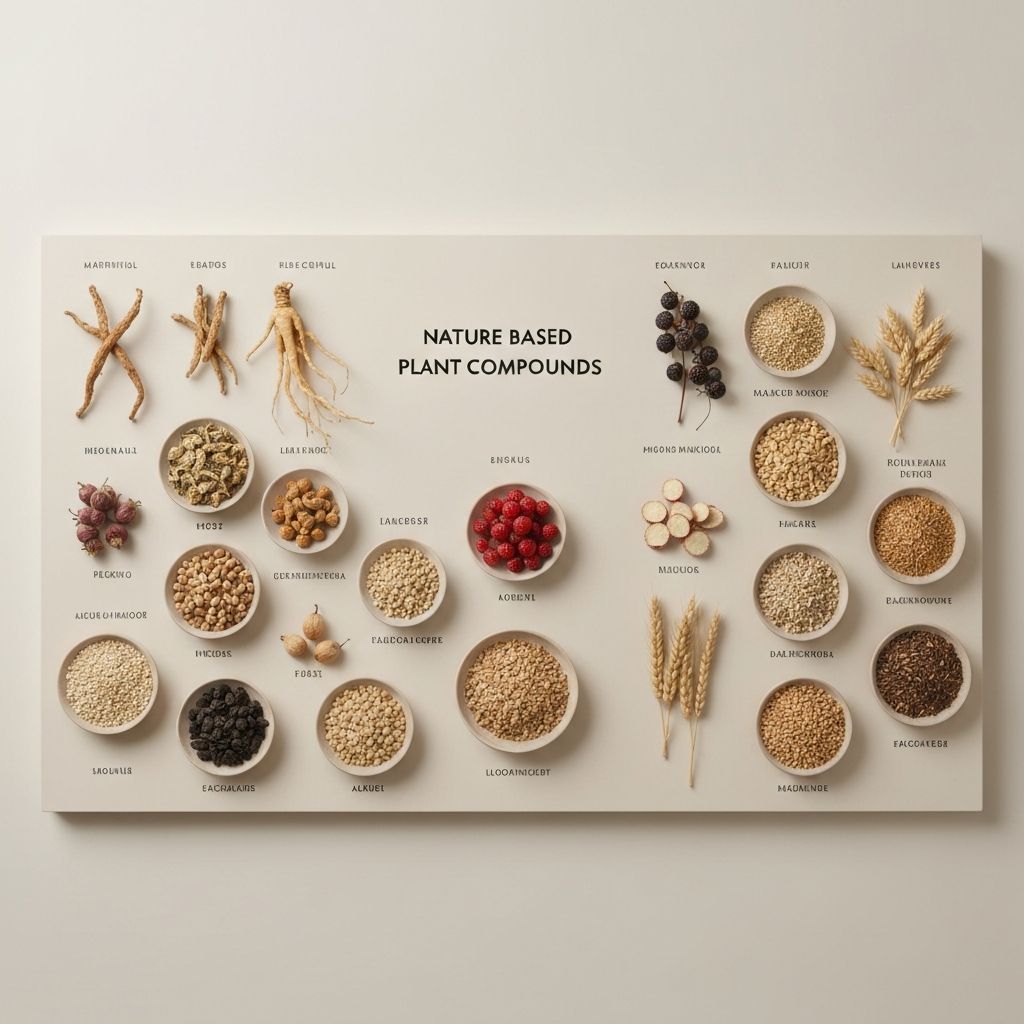
Plant-based diets rich in whole grains, legumes, nuts, and vegetables are consistently associated with better cardiovascular markers. The mechanism involves multiple compounds: soluble fiber, polyphenols, potassium, and the overall nutrient density. No single plant component explains the benefit; it's the overall pattern that matters.
Bone Health Nutrition
While often discussed in relation to women, bone health is important for men across the lifespan. Adequate calcium and magnesium intake, combined with vitamin D status and weight-bearing activity, supports bone maintenance. Plant sources of calcium include leafy greens, legumes, nuts, and seeds.
Digestive Health & Fiber
Adequate fiber intake—from whole grains, legumes, vegetables, fruits, nuts, and seeds—supports healthy digestion and beneficial gut bacteria. Gut health influences overall health outcomes. The soluble fiber in legumes and oats has particular relevance for metabolic health.
Whole Food Plant-Based Eating Patterns
Rather than focusing on isolated nutrients, nutritional science emphasizes patterns. A plant-forward eating pattern for men over 40 emphasizes:
Foundation: Varied Plant Foods
- Vegetables (multiple colors daily): Dark leafy greens, colorful vegetables, cruciferous vegetables
- Fruits: Berries, apples, pears, citrus, melons—variety of colors
- Whole Grains: Oats, brown rice, quinoa, barley, rye, millet
- Legumes: Lentils, beans, chickpeas—primary protein sources
- Nuts & Seeds: Almonds, walnuts, pumpkin seeds, sunflower seeds, hemp seeds
- Herbs & Spices: Provide concentrated phytochemicals and flavor without calories
Practical Implementation
A practical approach focuses on making meals plant-forward rather than plant-exclusive:
- Fill half your plate with vegetables
- Include a whole grain or legume as your starch source
- Add a plant protein source (legumes, nuts, seeds, plant-based products)
- Use herbs and spices for flavor and phytochemicals
- Include healthy fats from nuts, seeds, and oils
- Eat the rainbow—different colored plants offer different compounds
Common Questions for Men Over 40
Can I get adequate protein from plants?
Yes. Plant sources including legumes, nuts, seeds, whole grains, and plant-based products all contribute complete proteins. The key is variety and adequate total intake. Men concerned about protein adequacy can track intake briefly to ensure sufficiency, though most plant-forward eaters easily meet requirements.
Is plant-based eating appropriate for me if I'm concerned about muscle maintenance?
Plant-based eating can support muscle maintenance and development when protein intake is adequate and paired with resistance training. The combination of adequate protein, distributed across meals, plus resistance activity is what drives muscle maintenance—not the protein source itself.
Do I need supplements on a plant-based diet?
Vitamin B12 is the main consideration for exclusively plant-based diets; a B12 source (fortified foods or supplement) is important. Vitamin D status should be monitored regardless of diet type. Other supplements may be unnecessary if you're eating a varied diet with adequate calories, though individual factors vary. Consult a healthcare provider for your situation.
How do I transition to more plant-based eating?
Gradual changes tend to be more sustainable. Start by adding more plants to meals you already enjoy, trying new recipes gradually, and learning basic preparation methods. You don't need to change overnight. Small, consistent shifts create lasting habits.
What if I have other health conditions?
Many health conditions benefit from plant-forward nutrition, but specifics vary. Consult your healthcare provider or a registered dietitian who can evaluate your situation and create an appropriate dietary approach. They can identify any specific modifications needed for your health conditions.
Scientific Evidence & Resources
The evidence base for plant-forward nutrition in aging includes:
- Large epidemiological studies showing health correlations with plant-based eating patterns
- Clinical trials examining specific dietary interventions in aging populations
- Mechanistic research explaining how plant compounds affect human physiology
- Guidelines from major health organizations emphasizing whole plant foods
Current research doesn't suggest plant-based eating is uniquely superior for men—rather, it's one pattern consistent with good health when well-planned. The best diet is one you can sustain while meeting nutritional needs and enjoying food.
Further Learning
For evidence-based information about nutrition for aging men:
- Consult a registered dietitian nutritionist (RDN)
- Review guidelines from major health organizations (WHO, American Heart Association, etc.)
- Search peer-reviewed literature through PubMed for research on specific topics
- Read our main educational content on botanical nutrition and micronutrients
Ready to Learn More?
Explore our comprehensive educational resources on botanical nutrition, plant compounds, and nutritional science.
Educational content only. No promises of outcomes.
Important Context
This page provides educational information about nutritional science and plant-based eating. It does not constitute personalized medical or dietary advice. Before making significant dietary changes, especially if you have health conditions or take medications, consult a qualified healthcare provider or registered dietitian.